Ideas & Insights
Coordination Imperative?
Future of Philanthropy
Moral Compass
Our content is organized around three questions we believe define this moment in philanthropy: how actors across the field coordinate in a fractured landscape, how the sector itself must evolve, and what moral compass should guide action when the stakes are highest.
01 / THEME
Field notes on connective infrastructure: the relationships, operating rhythms, and shared practices that help philanthropy move together without becoming uniform.
GPF / EDITIONS
Insight Edition
01
VOLUME 01 · 2026
Governing in Flux: The Architecture of Alignment
How shared language, transparent roles, and practical cadence turn good intentions into collective capacity.

As Government Trust Frays, Philanthropy Rethinks Its Role
As trust in governments erodes, experts argue philanthropy should shift from funding services to investing in the accountability systems that help governments deliver. By Catherine Cheney, Devex

Networked Humanitarianism: Building Operating Systems Under Fire
What coordination looks like when systems are failing in real time, and what it takes to build humanitarian infrastructure under conditions of conflict and institutional breakdown. — From the GPF Leaders Summit 2026
02 / THEME
Signals from the next era of giving, where capital is designed alongside governance, technology, narrative, and long-horizon accountability.

Change Big Giving for Good: Control, Trust, and 25 Years of the GPF
Glen Galaich, Stupski Foundation CEO and one of GPF’s earliest supporters, reflects on 25 years and why shifting control remains philanthropy’s most important unfinished business. By Kate Balding, Alliance Magazine
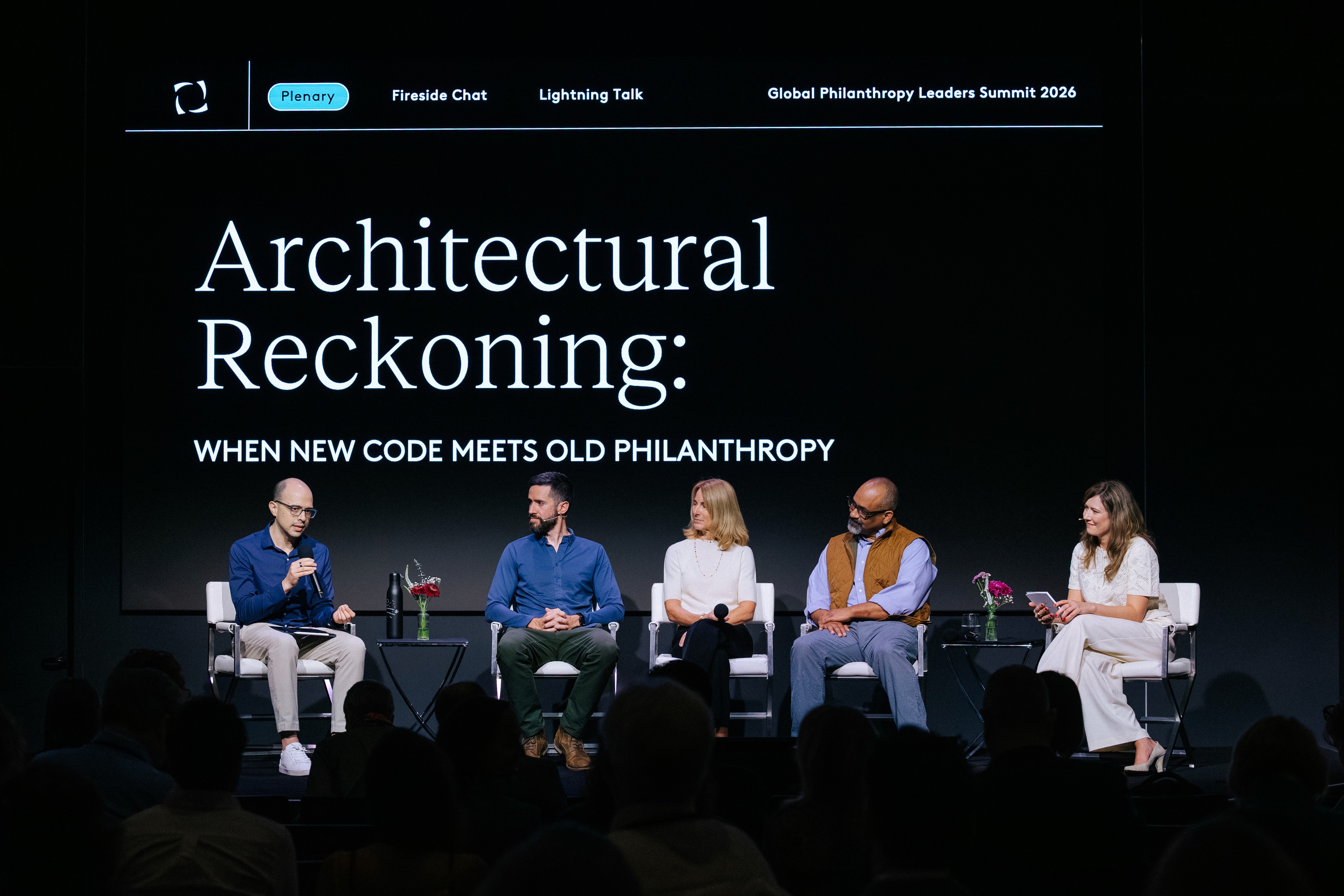
The Future of Philanthropy Requires Changing Its Source Code
A RWJF foresight leader on why changing philanthropy’s source code requires democratizing who gets to imagine the future — not just who funds it. By Dr. Lori Melichar, Robert Wood Johnson Foundation
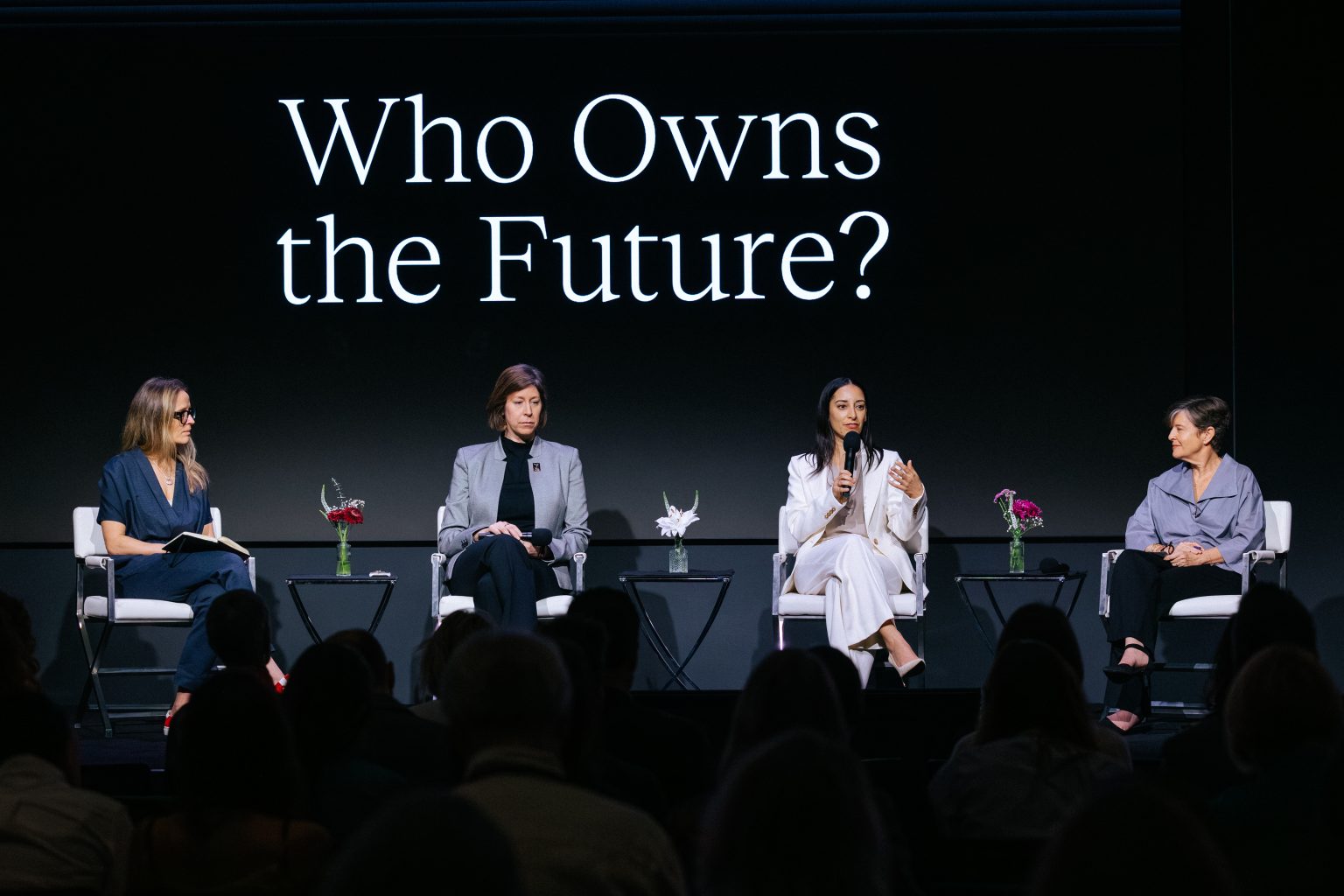
How Alternative Capital Logics Actually Operate
What happens when capital is treated as a tool for agency rather than wealth alone — from worker ownership to trust as a design principle, GPF’s most-requested session of 2026. — By Kate Balding, Alliance Magazine
03 / THEME
Exploring moral imagination, belonging, and the ethics of power — the questions that shape not only what philanthropy funds, but who gets to decide, who is heard, and whose futures matter.

“We Are Each Other’s Harvest”: Putting the Moral Imagination in the Service to Humanity
A keynote from GPF Senior Advisor David Kyuman Kim exploring what it will take to place beauty, conscience, and the full force of human feeling in the service of humanity.From the GPF Leaders Summit 2026

Beyond Damage: The Case for Imagination Infrastructure
A practitioner in energy and environmental justice argues philanthropy must move beyond naming harm toward building imagination infrastructure. by Jasmine Hiroko McAdams

Who Gets to Belong: Story, Land, and the Architecture of Power
Land is not just legal infrastructure — it is a narrative system that determines who belongs, who holds power, and whose futures are valued. From the GPF Leaders Summit 2026